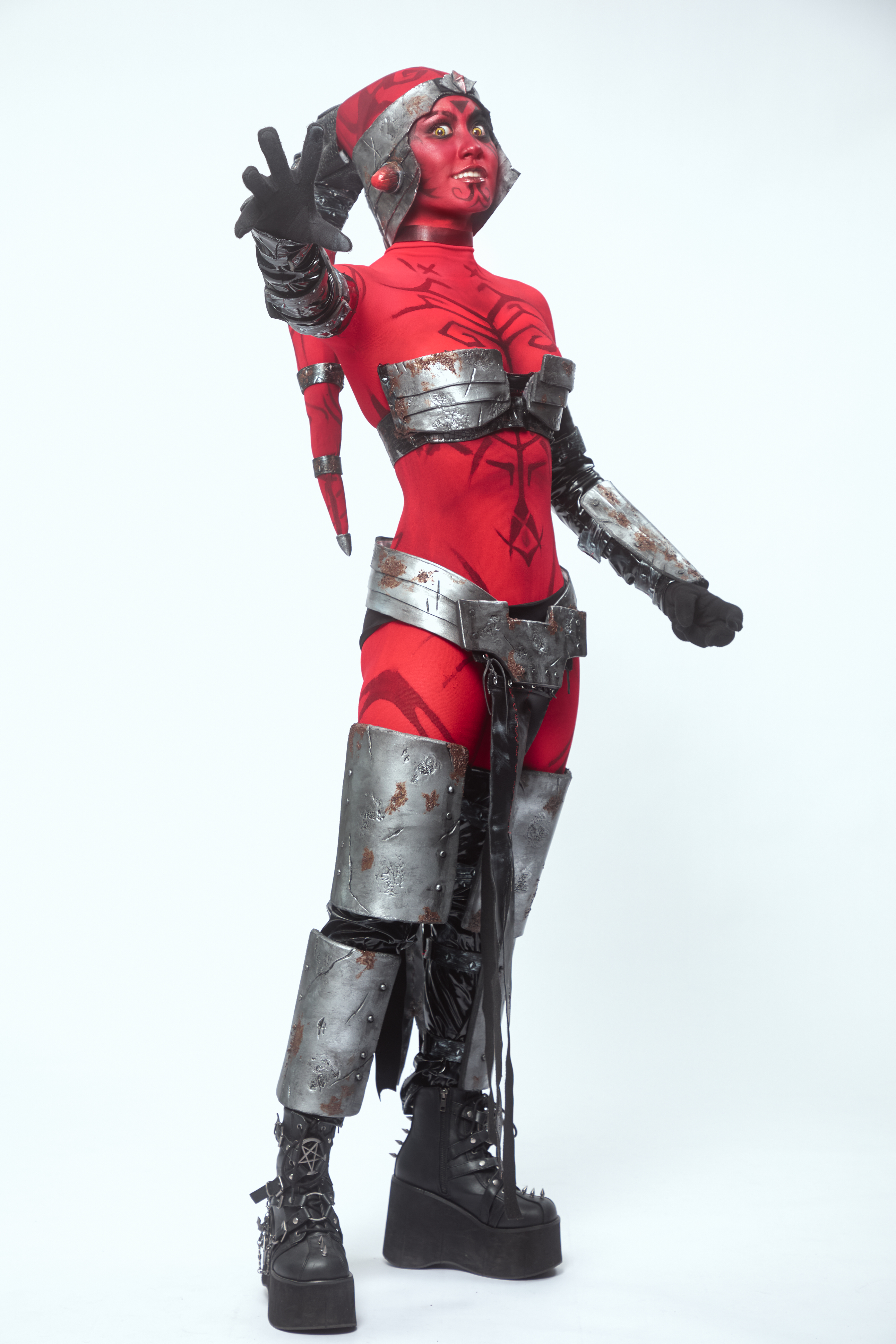
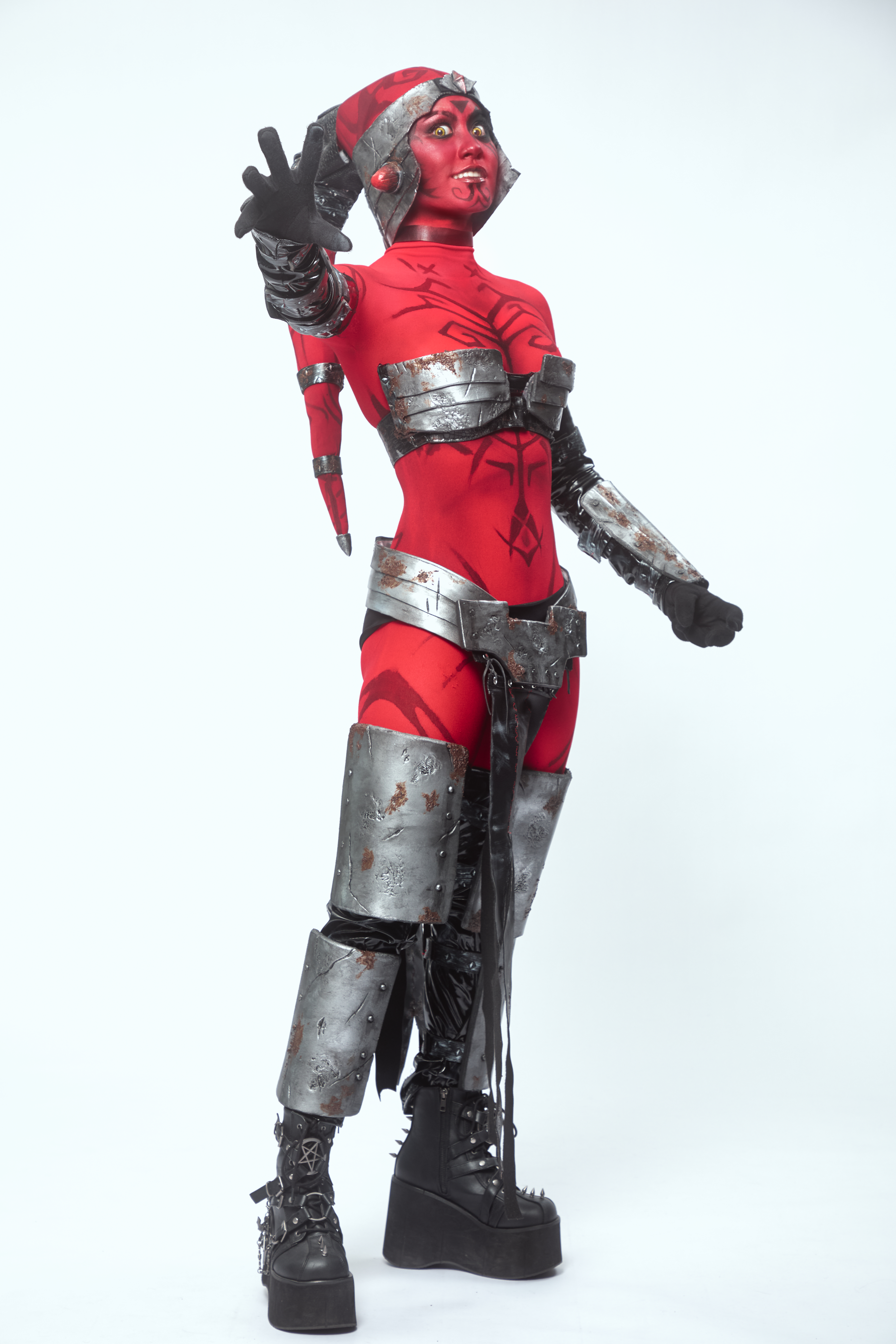
Get creative and transform your We Love Colors pieces into something uniquely yours with the help of Jacquard products. Let your imagination run wild as you turn simple garments into personalized works of art.
We Love Colors offers a vibrant range of nylon and nylon/spandex garments perfect for personalization. Painting on We Love Colors garments opens up endless creative possibilities, from adding intricate details to cosplay outfits to crafting unique performance costumes or simply expressing your personal style. With the right techniques and tools, you can dramatically enhance your creations and make each piece truly one-of-a-kind
In this guide, we'll explore the best Jacquard products suited for We Love Colors items and share techniques to help you achieve stunning, professional results.
Understanding Your Materials
We Love Colors Garments
Fabric Composition: Primarily nylon and nylon/spandex blends.
Characteristics: Stretchy, smooth, sometimes textured and available in a multitude of vibrant colors.
Considerations: Requires flexible paints that won't crack or peel when the fabric stretches.
Jacquard Products
Jacquard is renowned for high-quality paints and dyes suitable for various fabrics, including synthetic fibers like nylon.
Recommended Jacquard Products to pair with We Love Colors Garments
1. Jacquard Dye-Na-Flow Fabric Paint
Description: A free-flowing, concentrated liquid color that acts like a dye.
Best For: Light fabrics and creating watercolor or airbrush effects.
Why It's Ideal:
Penetrates fabric fibers, leaving them soft and flexible.
Perfect for achieving gradients, depth, and shading.
Techniques:
Airbrushing: For smooth, even coverage.
Brush Painting: For detailed designs and blending colors.
2. Jacquard Textile Color
Description: A semi-opaque, medium-bodied acrylic paint.
Best For: Both natural and synthetic fabrics.
Why It's Ideal:
Remains flexible after drying—essential for stretch fabrics.
Excellent for solid colors and bold designs.
Techniques:
Stamping and Stenciling: Create repeating patterns or precise shapes.
Freehand Painting: Ideal for custom artwork and lettering.
3. Jacquard Airbrush Color
Description: Fluid acrylics formulated for airbrushing.
Best For: Smooth application on various surfaces, including fabrics.
Why It's Ideal:
Offers superior adhesion and flexibility.
Great for covering large areas and achieving gradient effects.
Techniques:
Airbrushing: Provides a professional, even finish.
Layering: Build up colors for depth and intensity.
4. Jacquard Neopaque Fabric Paint
Description: An opaque acrylic paint designed for dark fabrics.
Best For: Covering darker garments without losing vibrancy.
Why It's Ideal:
Maintains flexibility, preventing cracking on stretch fabrics.
Provides excellent coverage and opacity.
Techniques:
Detail Work: Perfect for adding highlights or intricate patterns.
Texture Creation: Apply with sponges for unique textures.
5. Jacquard Lumiere Fabric Paint
Description: Metallic and pearlescent paints that add shimmer.
Best For: Adding eye-catching metallic effects.
Why It's Ideal:
Soft and flexible when dry.
Adheres well to synthetic fibers like nylon and spandex.
Techniques:
Accents and Highlights: Enhance designs with metallic details.
Full Coverage: Create bold, shimmering garments.
Painting Techniques and Tips
1. Preparation
Wash the Garment: Remove any oils by washing the garment without fabric softener.
Workspace Setup:
Lay the garment flat on a clean surface.
Insert a piece of cardboard or plastic inside to prevent bleed-through.
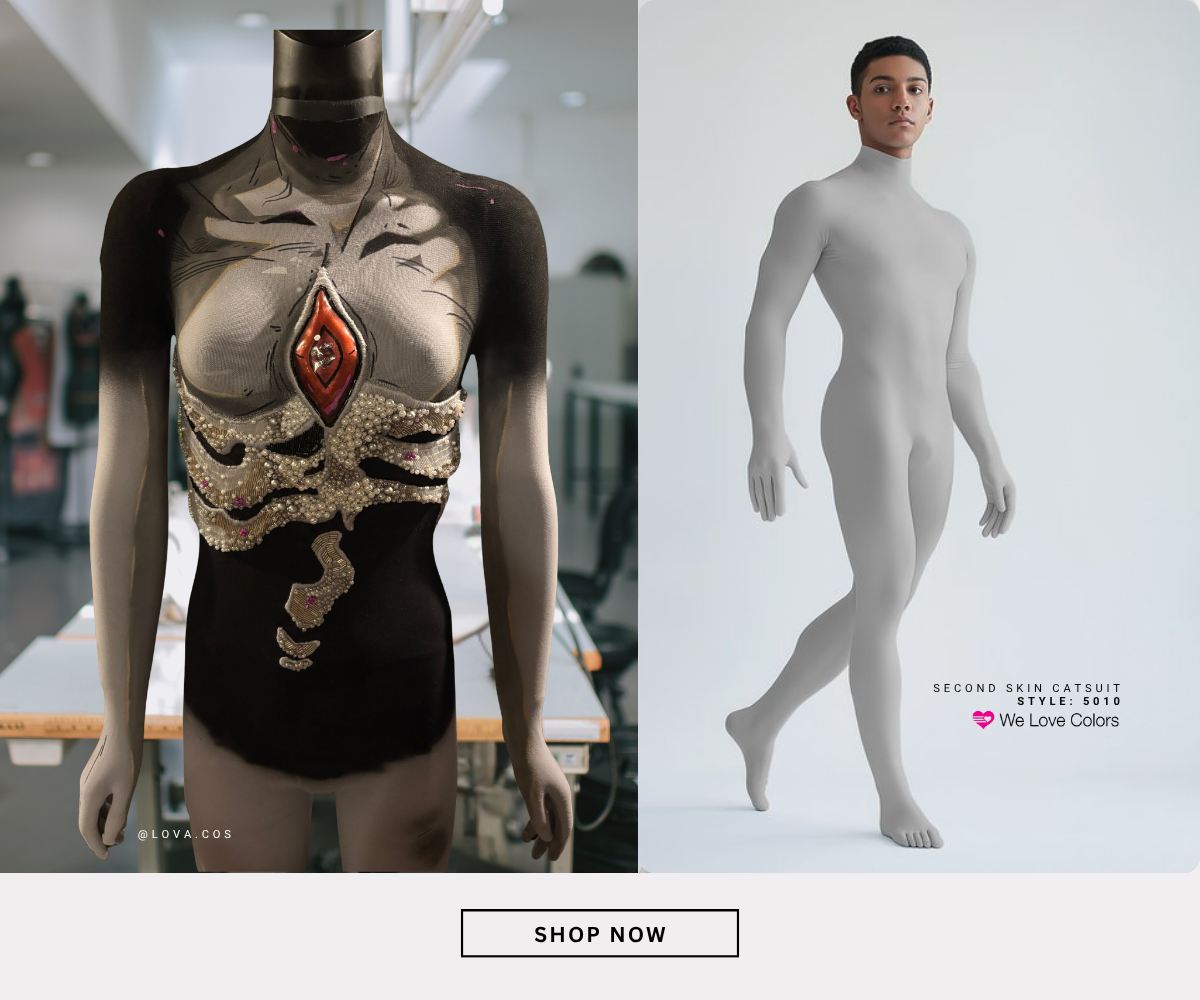
Use a mannequin
Test Swatch: Always test your chosen paint on a small area or a spare piece of similar fabric.
2. Application Methods
Brush Painting:
Use synthetic brushes for smooth application.
Ideal for detailed designs, lines, and small areas.
Airbrushing:
Requires an airbrush setup and ventilation.
Produces even, professional-looking results.
Stenciling:
Use stencils to achieve precise shapes and patterns.
Secure stencils firmly to prevent smudging.
3. Creative Effects
Depth and Shading:
Layer different shades to create a three-dimensional look.
Use Dye-Na-Flow for translucent layering.
Texture Addition:
Experiment with sponges or textured rollers.
Neopaque paints can add a tactile element.
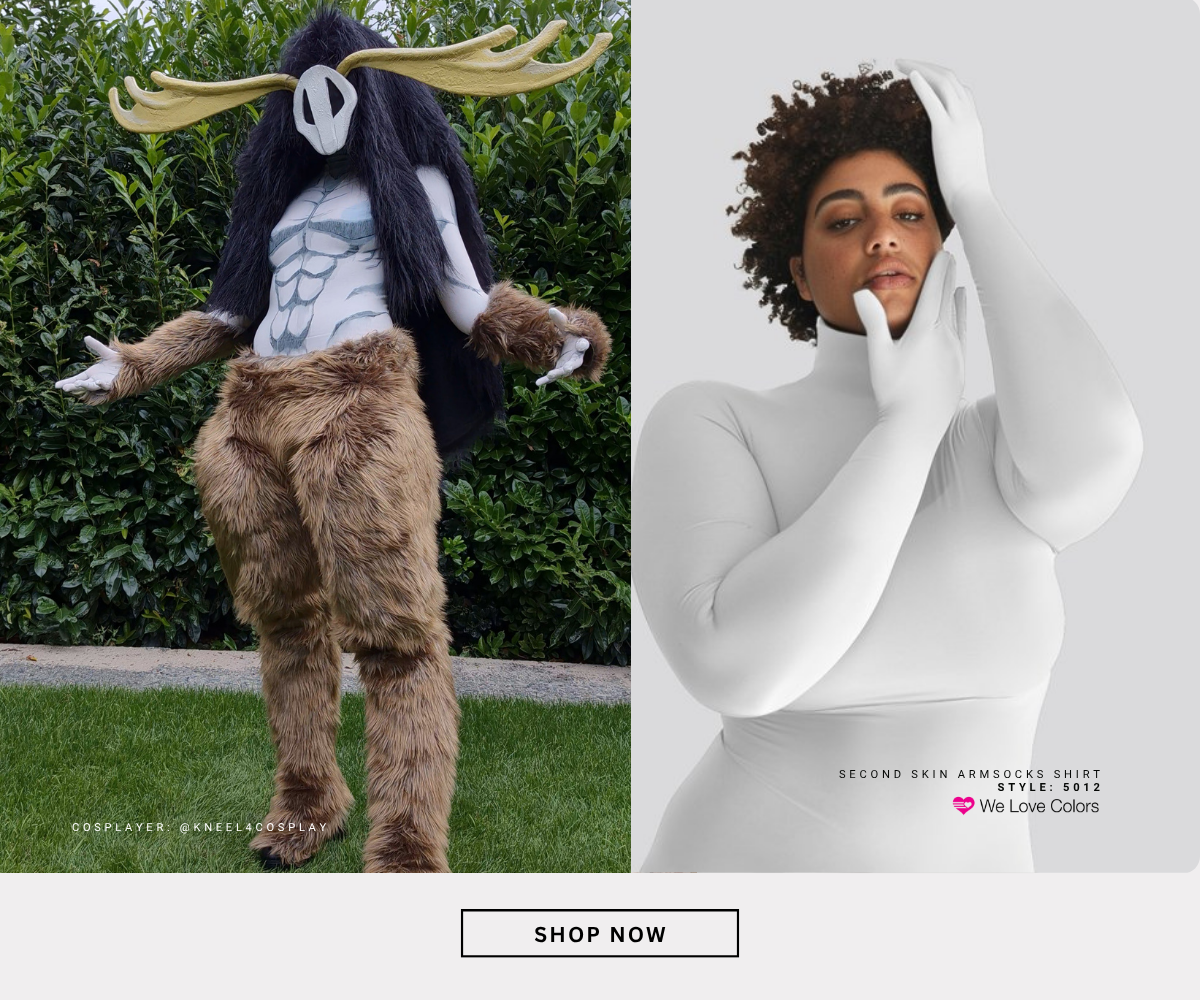
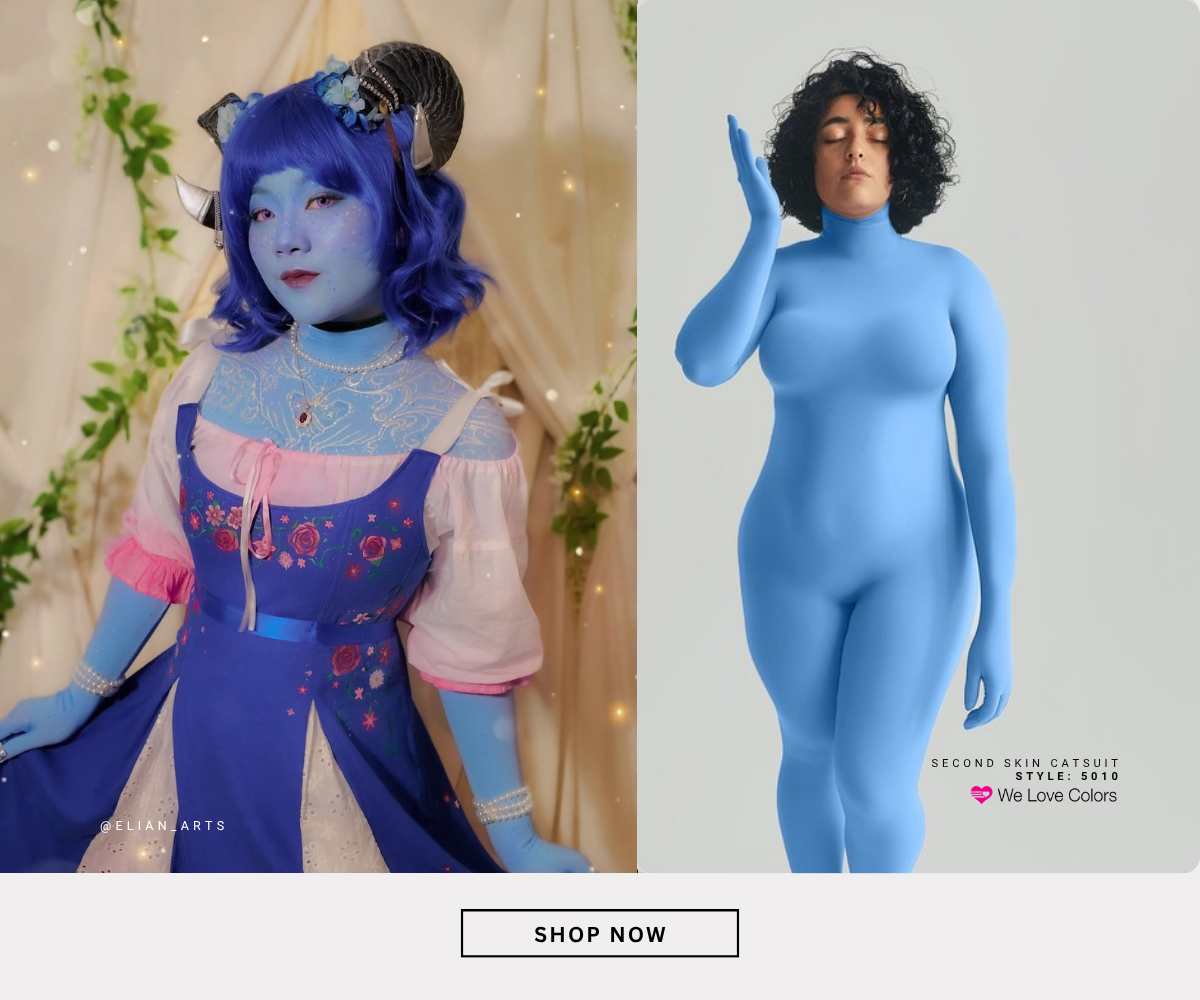
Simulating Scars or Tattoos:
Use fine-tipped brushes with Textile Color for intricate details.
Reference images can help with accuracy.
4. Setting the Paint
Drying:
Allow the paint to air dry completely, following the product's recommended time.
Heat Setting:
Iron Method:
Turn the garment inside out.
Use a dry iron on the appropriate setting (usually medium heat). Use a cotton fabric over, do not use it directly on nylon garments.
Iron each section for 30 seconds to a minute.
Drying Method:
Place the garment in the dryer on high heat for 30–45 minutes.
Use the power of the sun (where available) Let it sit under the sun laying flat for about one hour.
Why Heat Set?
Ensures the paint adheres permanently.
Enhances washability and longevity.
Care Instructions
Washing:
Turn the garment inside out when possible.
Use cold water and mild detergent.
Hand wash or use the gentle cycle on your machine if the garment contains embroidery or any glued pieces do not use the washing machine.
Drying:
Air dry laying flat is recommended to maintain fabric and paint integrity.
Ironing:
If needed, iron on the reverse side with a pressing cloth. Nylon/ spandex garments do not require ironing.
Additional Tips
Mixing Colors:
Jacquard paints can be mixed to create custom shades.
Use a palette or mixing cups to experiment.
Thin or Thicken Paint:
Adjust consistency with water (for Dye-Na-Flow) or Jacquard’s Flowable Extender.
Use Jacquard’s Thickener to achieve a heavier body if needed.
Safety Precautions:
Work in a well-ventilated area.
Wear protective clothing to prevent stains.
Keep paints out of reach of children and pets.
Inspiration and Project Ideas
Cosplay Costumes:
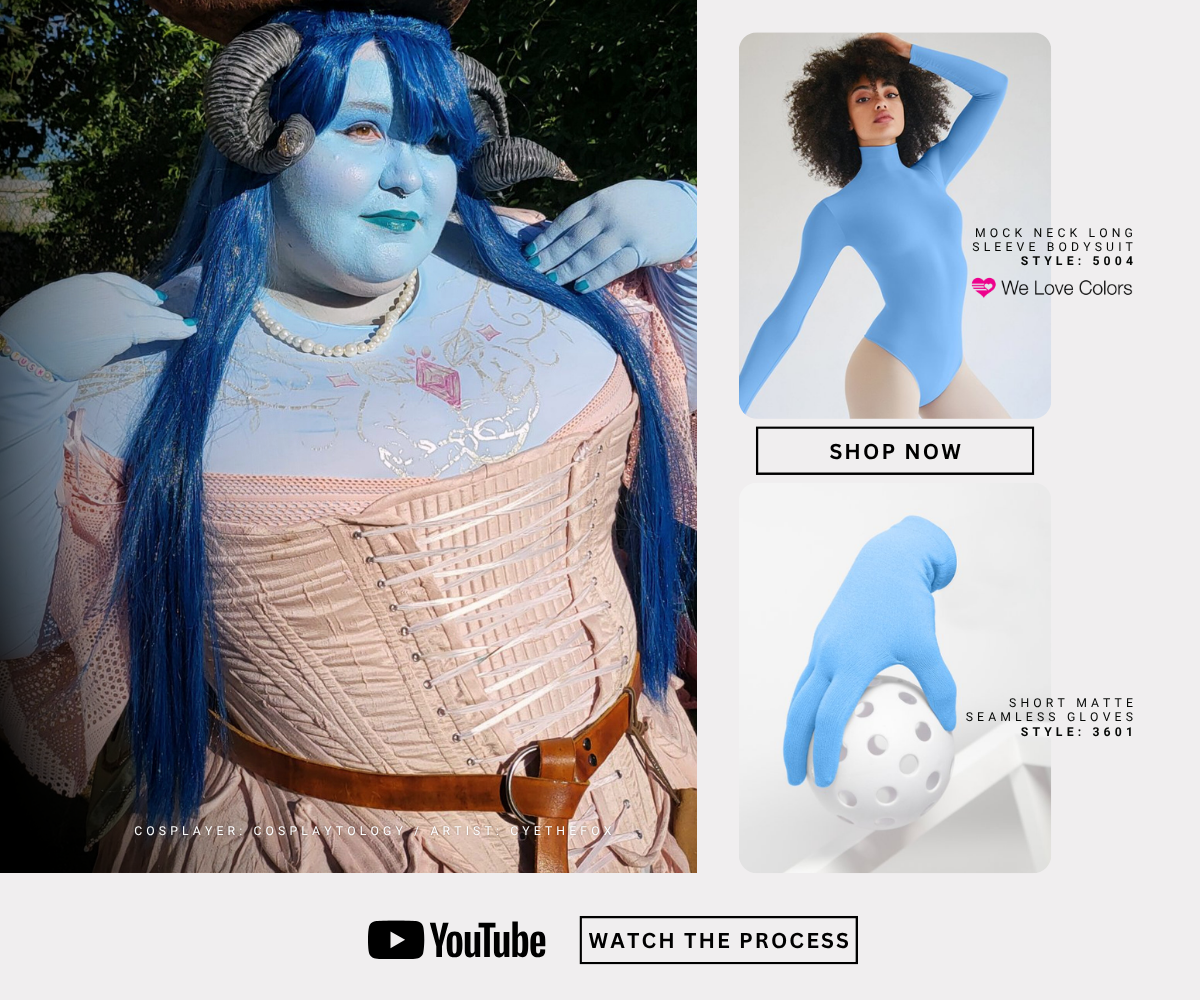
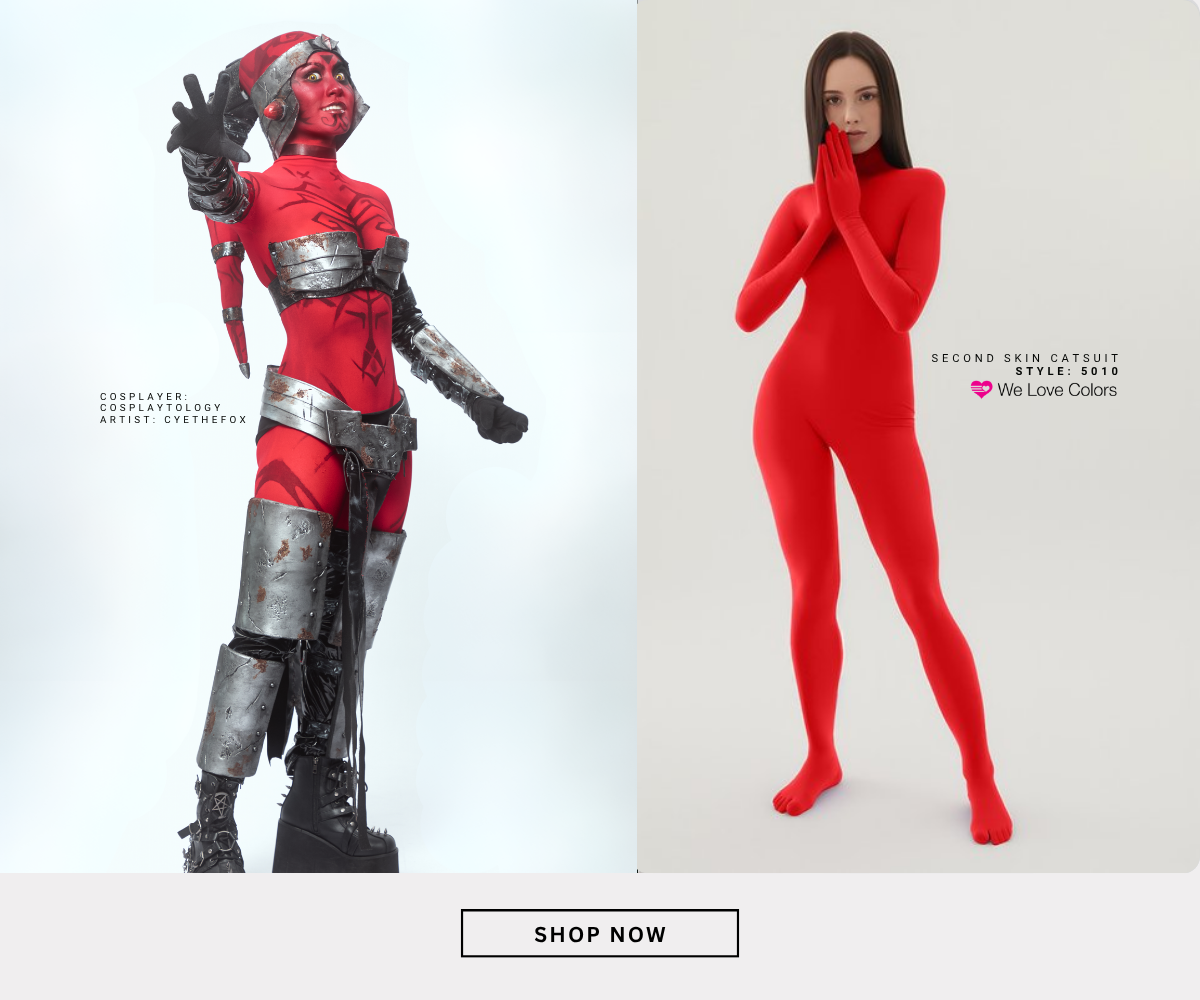
Replicate character-specific patterns or skin tones.
Add muscle shading or armor details.
Dance and Performance Wear:
Create dynamic designs that move with the performer.
Use Lumiere paints for stage sparkle.
Everyday Fashion:
Personalize leggings, gloves, or bodysuits.
Try abstract designs or geometric patterns.
Remember, practice makes progress!. Don't hesitate to experiment with different methods to discover what works best for your project. With patience and creativity, the possibilities are endless.
For nylon garments go to https://www.welovecolors.com/ and to choose paints go to https://www.jacquardproducts.com/

